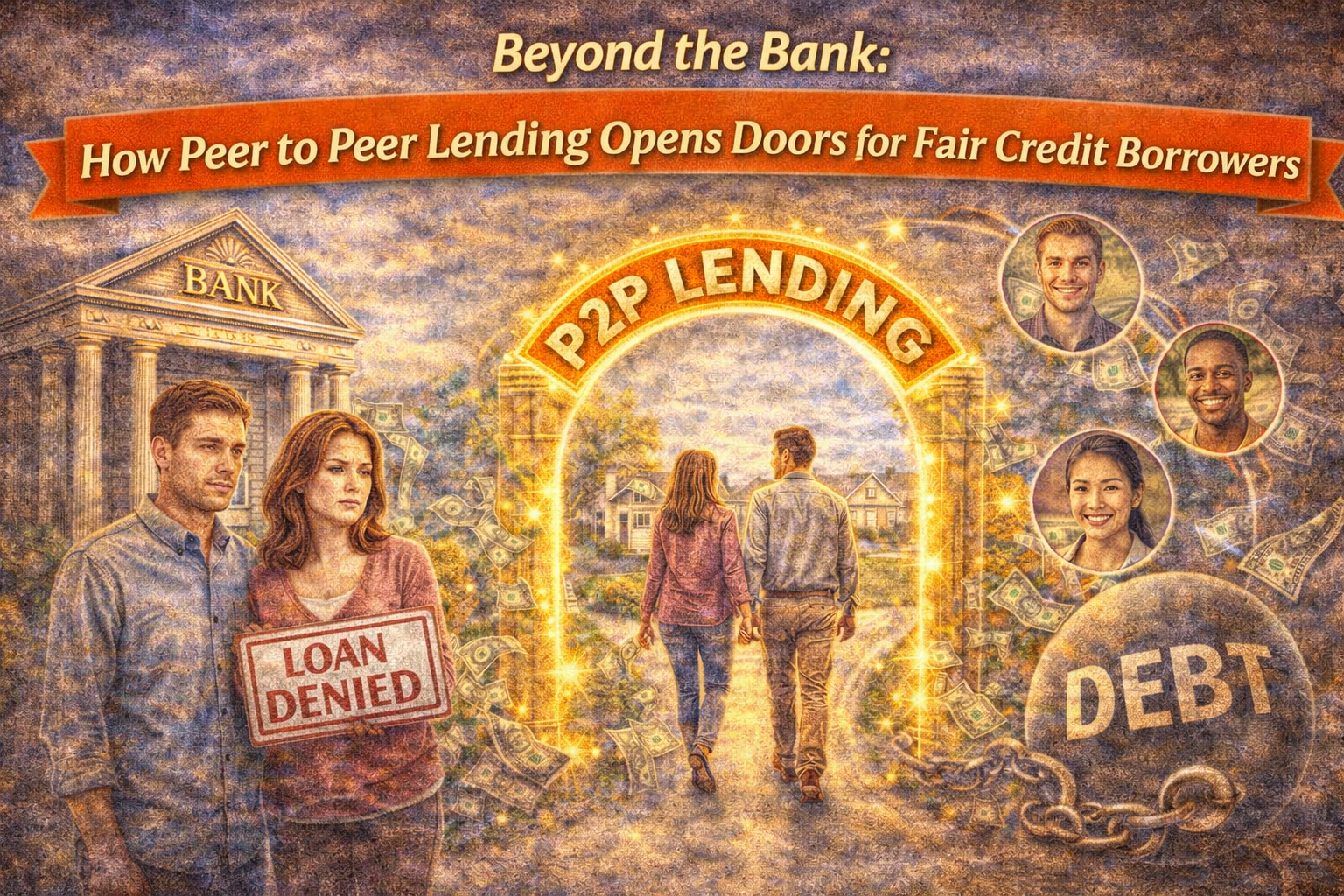
Tired of bank rejections? Discover how Peer to Peer Lending works for fair credit borrowers looking to fund renovations or boost their real estate portfolio.
Table of Contents
I was grabbing a late lunch in Surat last Tuesday with an old colleague who’s been trying to break into the house-flipping scene for nearly a year. He’s got a great eye for distressed residential property, but his credit score is currently sitting in that frustrating “fair” zone—not quite a disaster, but not enough to make the big banks roll out the red carpet. “I keep getting these polite rejection letters,” he told me, gesturing to his phone. “It’s like if you aren’t perfect, you don’t exist in the housing market.”
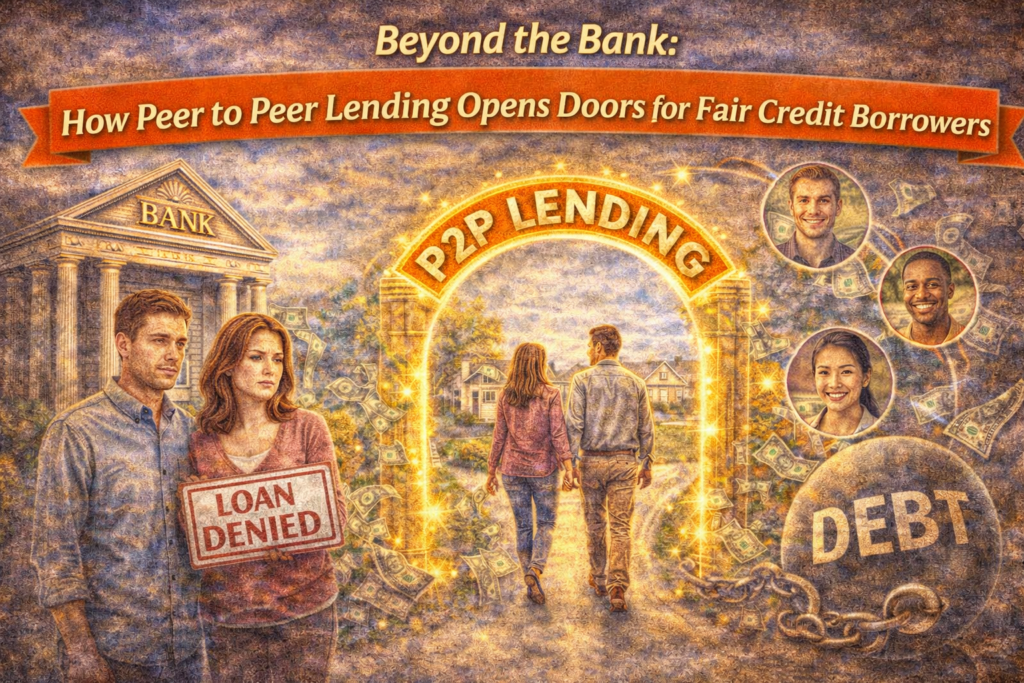
It is a story I hear constantly in the real estate niche. We’re often told that to build wealth, you need an 800-score and a pristine financial history. But as we move through 2026, the traditional banking wall is starting to crumble. This is where Peer to Peer Lending has stepped in as a legitimate power tool for those of us who need capital but don’t fit into a tidy institutional box.
Essentially, Peer to Peer Lending cuts out the middleman. Instead of borrowing from a massive bank that sees you as a set of data points, you’re borrowing from individuals or groups of investors who are looking for a better return on their cash. For someone with fair credit, this shift from “algorithm” to “investor” can be the difference between a stalled project and a successful closing.
How Peer to Peer Lending Flips the Script
Most people are used to the “hat in hand” approach to banking. You walk in, provide ten years of tax returns, and wait three weeks for a “maybe.” Peer to Peer Lending platforms function more like a marketplace. You post your “listing”—why you need the money, your professional background, and your plan for repayment—and investors choose to fund a piece of your loan.
Because these platforms have lower overhead than a brick-and-mortar bank, they can often be more flexible with their underwriting. They still care about your score, of course, but they also weigh other factors. For a real estate investor, this means your track record with previous rental property management or your consistent income from a day job might carry more weight than a silly mistake you made on a credit card three years ago.
The Appeal for the “Fair Credit” Borrower
If your score is between 640 and 699, you are in the “Fair” bracket. Traditional lenders usually hit you with high interest rates or demand a massive down payment to offset their risk. However, Peer to Peer Lending often uses more sophisticated data to price your loan.
They look at the “human” side of the debt. Are you using the money for a home improvement project that will increase your home equity? Investors on these platforms love those kinds of stories. They see a borrower who is actively trying to improve their net worth, making Peer to Peer Lending a much more sympathetic environment than a cold corporate boardroom.
Using Peer to Peer Lending for Real Estate Projects
I’ve seen plenty of creative uses for these funds in our industry. While you generally can’t use a P2P loan as a primary mortgage for a luxury listing, you can certainly use it for the “gap” expenses that traditional lenders won’t touch.
- Renovation Capital: If you’ve bought a fixer-upper but don’t have enough equity yet for a HELOC, Peer to Peer Lending can provide the cash for that new kitchen or roof.
- Earnest Money Deposits: Sometimes you need liquid cash fast to secure a contract on a hot property.
- Bridge Financing: When you are waiting for a property sale to close but need to put a deposit down on your next residential property, a P2P loan can act as a temporary bridge.
According to data often discussed by the National Association of Realtors (NAR), the speed of capital is becoming the primary differentiator in competitive markets. Peer to Peer Lending is built for speed, often funding in as little as 48 hours once your listing is fully vetted.
The Math: Interest Rates and Fees
Let’s be honest: if you have fair credit, you aren’t getting the “teaser rates” you see on billboards. In the world of Peer to Peer Lending, your interest rate will reflect your risk tier. You might see rates anywhere from 10% to 18%, depending on the platform and your specific profile.
You also need to watch out for the origination fee. Most Peer to Peer Lending platforms take a percentage of the loan (usually 1% to 6%) right off the top. If you need exactly ₹5 Lakh for a project, you need to ask for slightly more to cover that fee. For a deeper look into the legal protections and the history of how these marketplaces are regulated, Wikipedia’s entry on Peer-to-peer Lending provides a solid foundation on the “Truth in Lending” requirements that protect you as a borrower.
Peer to Peer Lending vs. Hard Money Loans
I often get asked if this is just “Hard Money” with a fancy app. Not quite. Hard money lenders usually focus exclusively on the asset—they’ll lend you money based on the property value, and if you fail, they take the house. They are also notoriously expensive, often charging “points” upfront and interest rates north of 12%.
Peer to Peer Lending is generally unsecured. This means the investors aren’t putting a lien on your house. While the interest rates are similar to hard money, the “unsecured” nature of P2P makes it much less stressful for a homeowner who doesn’t want to put their primary residence at risk for a side project. It’s a cleaner, more modern way to access the housing market without feeling like you have a sword hanging over your head.
Impact on Your Credit Score and Future Mortgage
This is where the strategy gets interesting. If you take out a loan through Peer to Peer Lending and make every payment on time, it will show up on your credit report as a successfully managed installment loan. This actually helps “heal” your credit score over time.
By the time you’re ready to apply for a major commercial real estate loan or a new mortgage for a bigger home, your score might have climbed from “Fair” to “Excellent” thanks to your history with Peer to Peer Lending. As noted by the Consumer Financial Protection Bureau (CFPB), a diverse mix of credit—including personal loans—is a key factor in building a robust financial profile.
Finding the Right Platform for You
Not all Peer to Peer Lending sites are created equal. Some focus on small personal debts, while others are geared specifically toward small business owners or those in the real estate niche.
- The Established Giants: These platforms have the most investors and the fastest funding times, but they can be a bit more rigid with their credit requirements.
- Niche Real Estate Platforms: Some newer Peer to Peer Lending sites allow investors to fund specific property-related projects. These are great if you can clearly articulate the ROI of your renovation.
- Community-Based Lenders: Some platforms focus on specific geographic areas or professional groups.
Before you sign anything, check the fine print for “prepayment penalties.” The best part of Peer to Peer Lending is that you can often pay the loan back early if a property flip goes well or you get a big commission check, without being penalized for being responsible.
FAQ Section
Is Peer to Peer Lending safe for borrowers? Yes, provided you use a reputable, regulated platform. The lending process is transparent, and you’ll receive all the standard disclosures required by law. Just remember that Peer to Peer Lending is a real debt; if you fail to pay, it will damage your credit score just like any other loan.
Do I need to provide collateral for Peer to Peer Lending? Most P2P loans are unsecured, meaning you don’t need to put up your car or house as a guarantee. This is one of the biggest draws for borrowers who want to fund a real estate project without risking their primary residence.
How long does it take to get funded through Peer to Peer Lending? Once your application is approved and your “listing” goes live, it can take anywhere from a few hours to a few days for investors to fund it. Most borrowers have the cash in their bank account within a week of starting the Peer to Peer Lending process.
Can I use Peer to Peer Lending to consolidate credit card debt? Absolutely. In fact, this is the most common use for it. By moving high-interest revolving debt to a lower-interest installment loan through Peer to Peer Lending, you can lower your monthly payments and improve your debt-to-income ratio.
Will Peer to Peer Lending help my credit score? Yes, as long as you make your payments on time. Most major platforms report to at least one (and usually all three) of the major credit bureaus. Successfully managing Peer to Peer Lending is a great way to move out of the “Fair” credit zone.
Conclusion
The path to building a real estate portfolio isn’t always paved with perfect credit scores and easy bank approvals. Sometimes, you have to look for a different way around the mountain. Peer to Peer Lending represents that new path—a way to connect with real people who believe in your project as much as you do.
If you are stuck in the “Fair” credit trap and feel like the housing market is passing you by, don’t give up. Take a look at your numbers, polish your “investor story,” and see if Peer to Peer Lending can provide the fuel you need to get back in the game. It’s not just about the money; it’s about the opportunity to prove what you can do.
